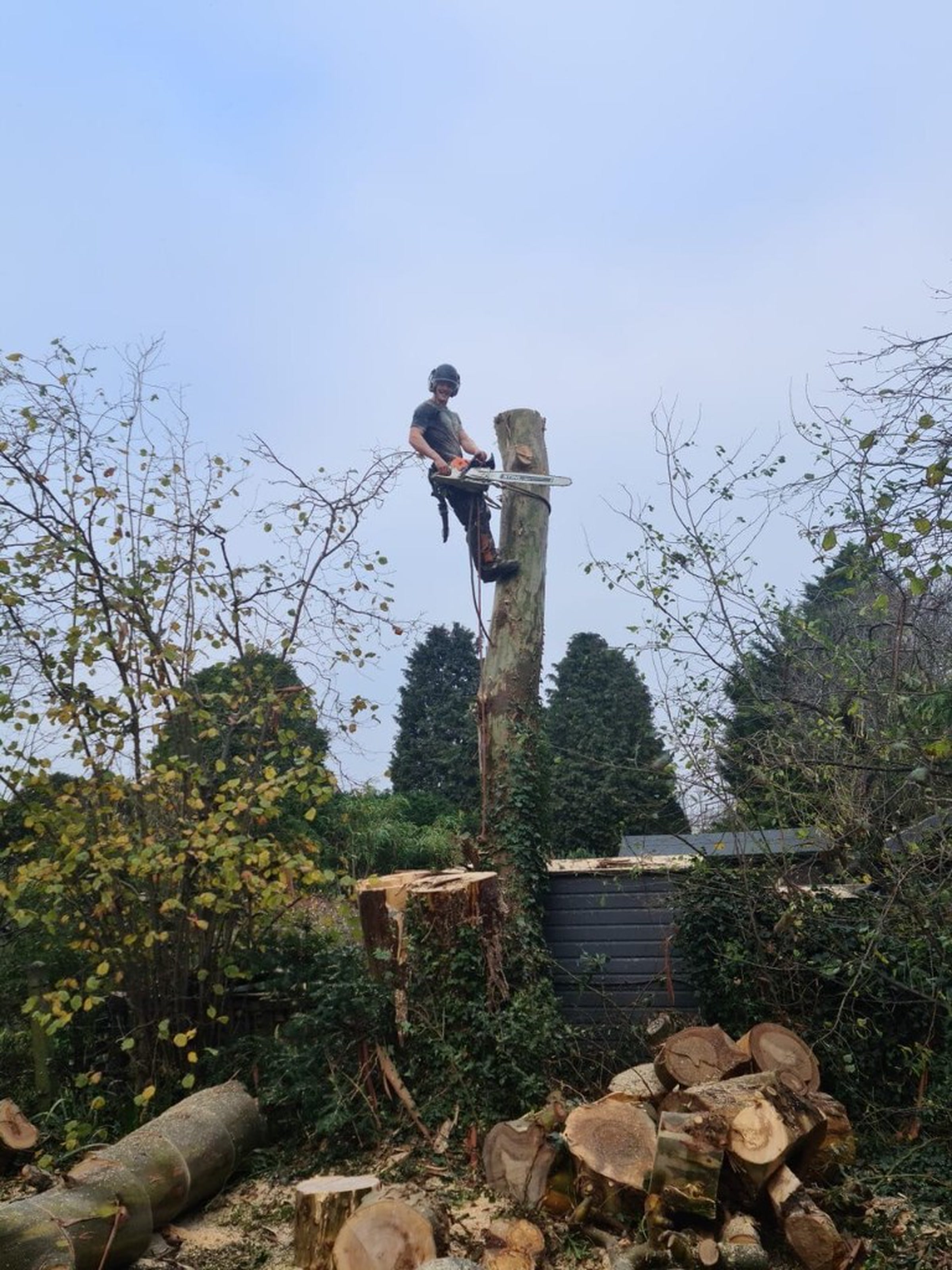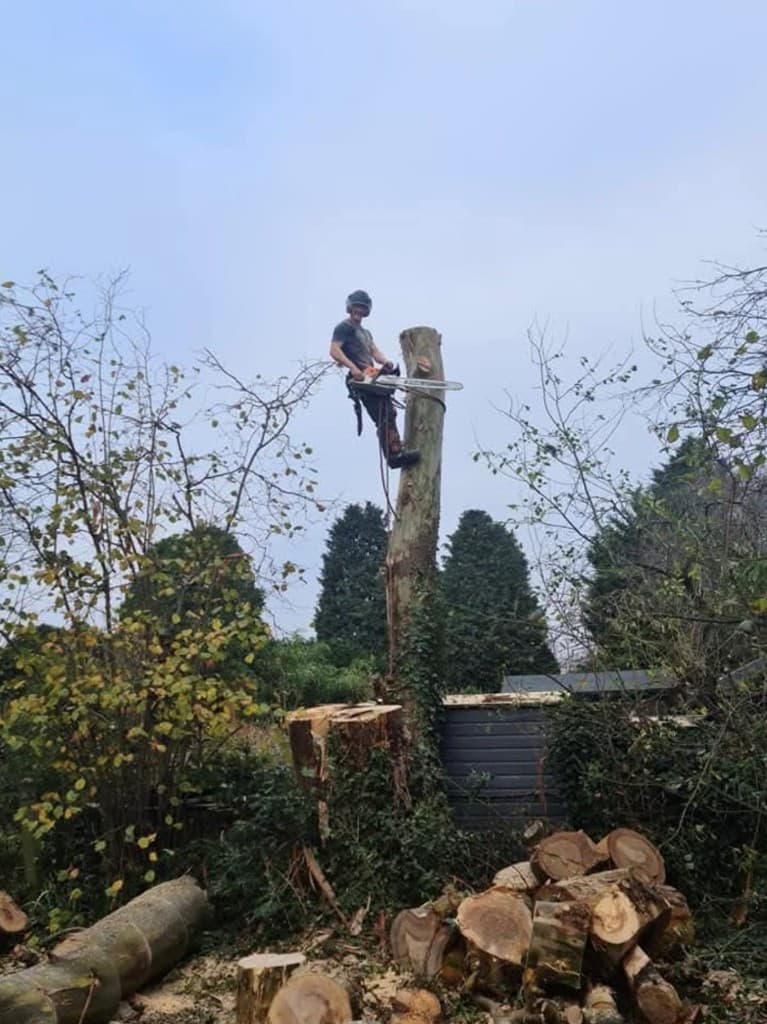
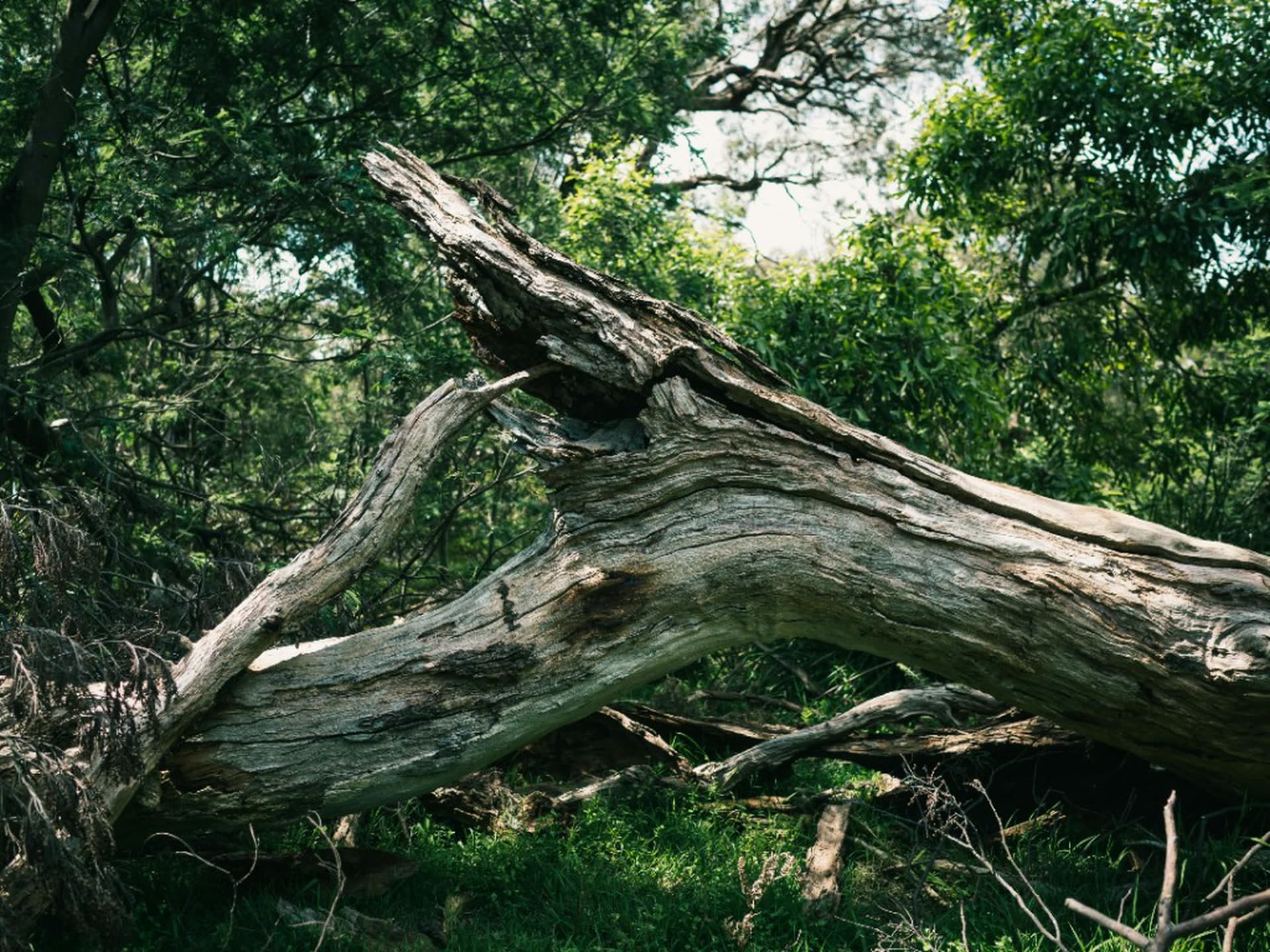
Arborist removing dead wood from a tree crown in Essex

Service

Dead Wooding

Dead wooding across Essex and Suffolk — dead and hazardous branches removed from healthy trees.

01 · Overview

Dead wooding in Essex & Suffolk

Dead wooding removes dead, dying and hazardous branches from an otherwise healthy tree. Storm damage, previous poor pruning, shade, pests, disease and root problems can all leave limbs that no longer contribute to the crown but still pose a risk until they are taken out properly.

Tree Volution is based in Colchester. We carry out dead wooding across Essex and Suffolk, and we can often help further afield — send your postcode and we will tell you straight.

What is dead wooding?

The work targets branches that are dead, dying, broken or structurally compromised — not the living structure you want to keep. Cuts are made at appropriate points so the tree can seal the wound and the crown stays balanced.

It is different from removing the whole tree or thinning the entire canopy: the goal is to make a sound tree safer and tidier while it continues to grow.

Why perform dead wooding?

Dead limbs eventually decay and fall. That process is usually slow, but wind and storms can bring failure forward without warning — which matters when branches overhang roads, drives, roofs, footpaths or public space.

Dead wooding is primarily a safety service. It is also often the right first step when a tree looks neglected but does not need a full reduction or removal.

Safety and appearance

Removing dead and dangerous wood reduces the chance of a branch causing injury or damage to property, vehicles and garden features.

Clearing dead material also improves how the tree looks — bare stubs and grey hangers are replaced by a cleaner outline while the living crown remains.

Why choose Tree Volution?

Dead wooding is carried out by our NPTC-qualified climbers. We are CHAS-accredited with £10m public and employer liability; certificates can be supplied before work starts.

We have worked with several local authorities on tree work and clearance requirements. If a tree also needs a specified clearance height, we can advise on crown lifting or other crown work alongside dead wood removal.
02 · How it works

The dead wooding process

  1. 01

    Site visit & quote

    We inspect the crown from ground and where needed from within the tree, identify dead, dying and dangerous wood, and note TPO or Conservation Area status. Written quote within 48 hours.

  2. 02

    Set-up & rigging

    Beds, lawns and structures are protected. The climber works through the crown with rigging to lower larger pieces safely — climbed work, never spiked.

  3. 03

    Dead wood removal

    Dead, broken and hazardous branches are removed selectively. Live, healthy growth is left unless it conflicts with the brief or clearance requirements.

  4. 04

    Clearance & tidy

    All arisings cleared by hand. Chip is taken away by default — or left for your beds if you prefer.

03 · Before & after

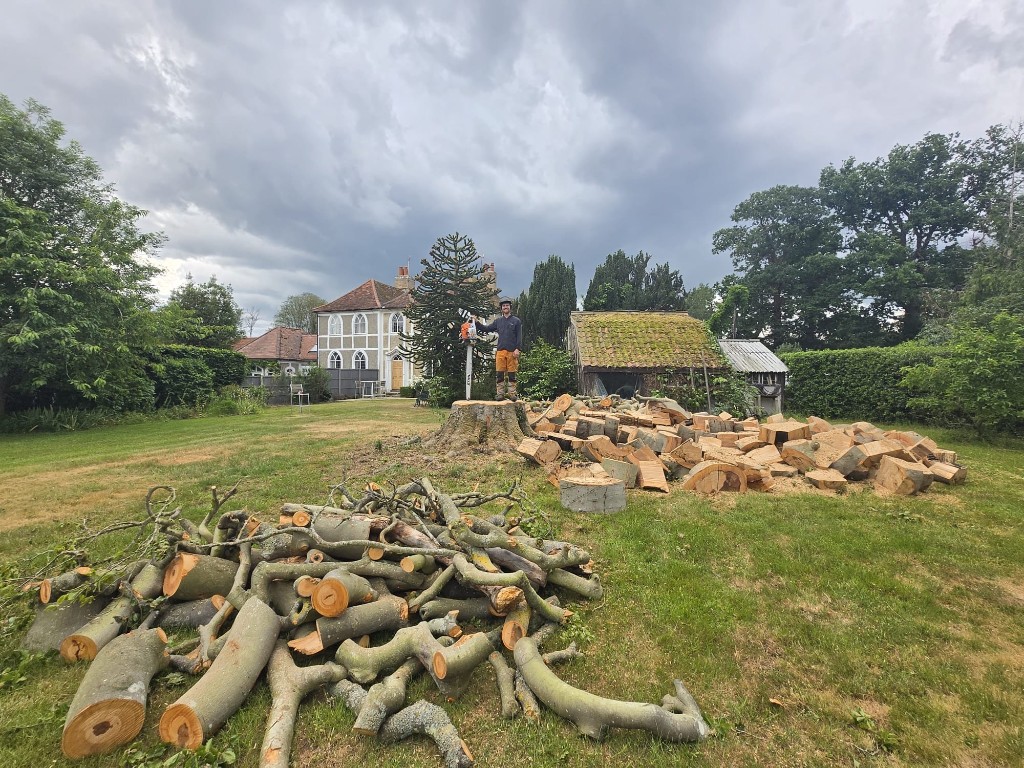
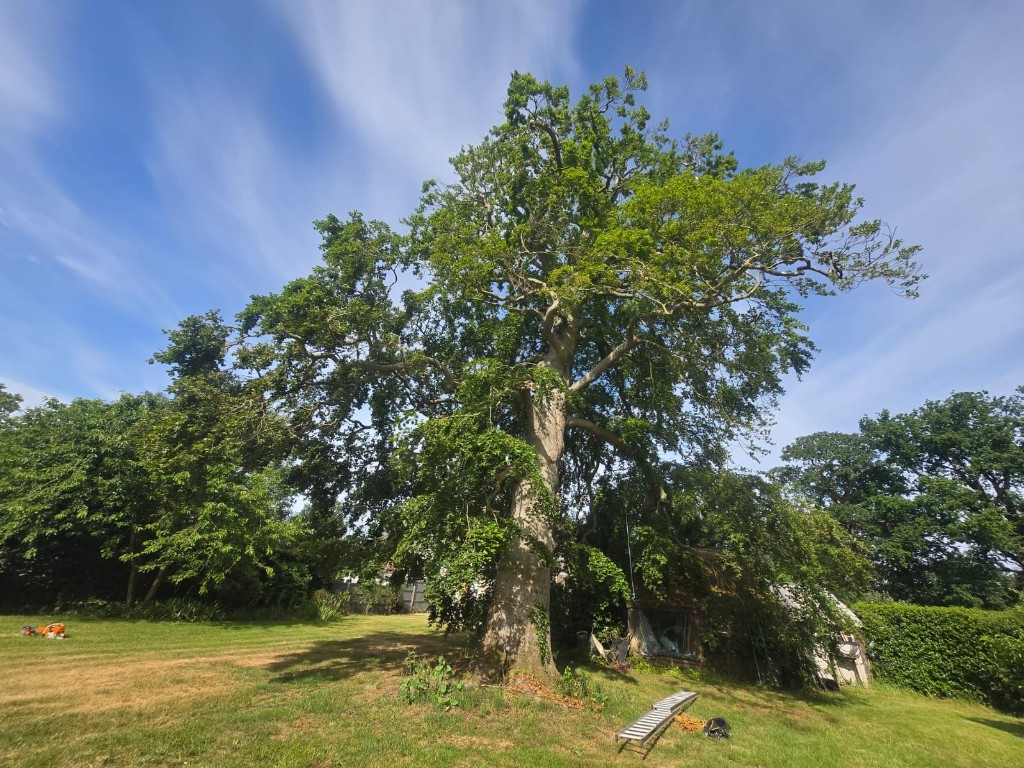
Large mature beech tree removed — before and after on site.

Interactive photo, scroll left or right to see the before and after images.

After
Before
Before
After

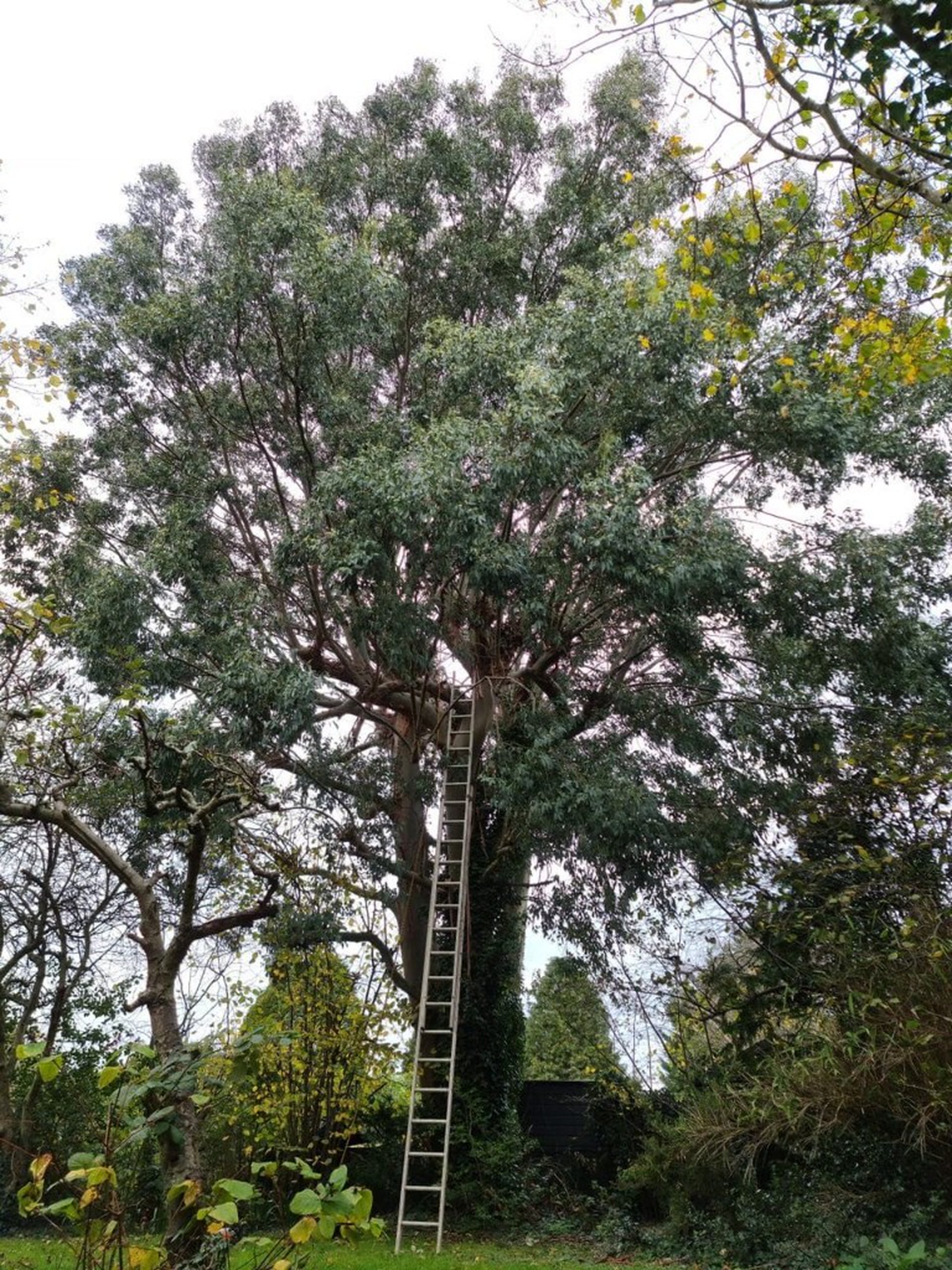
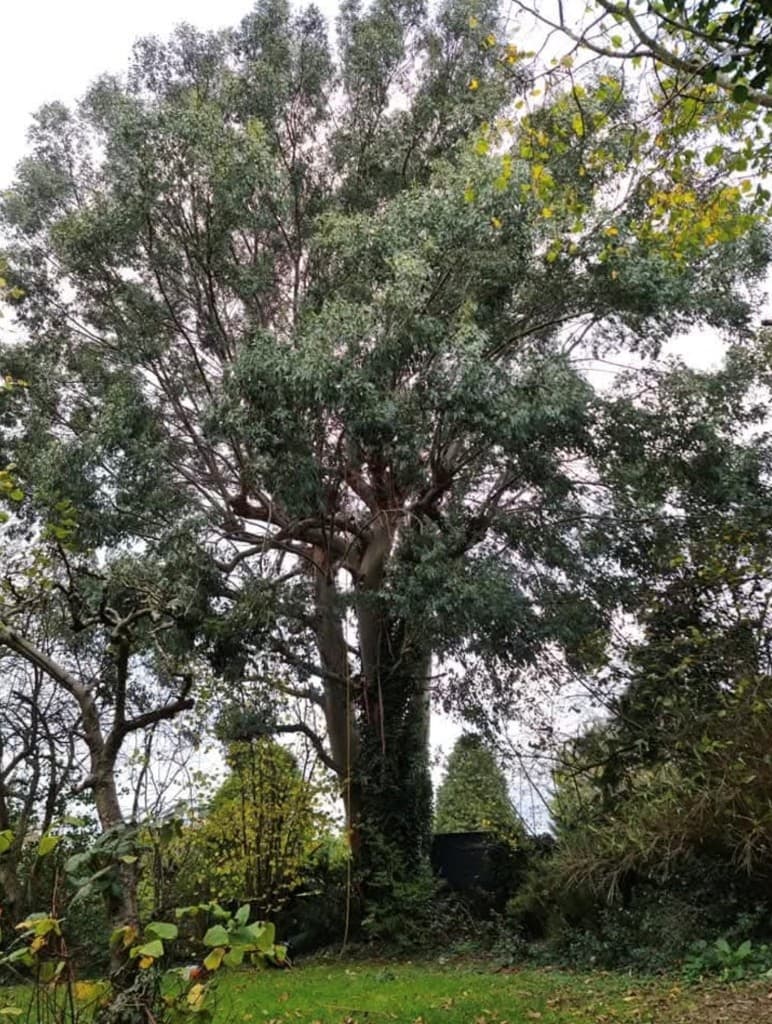
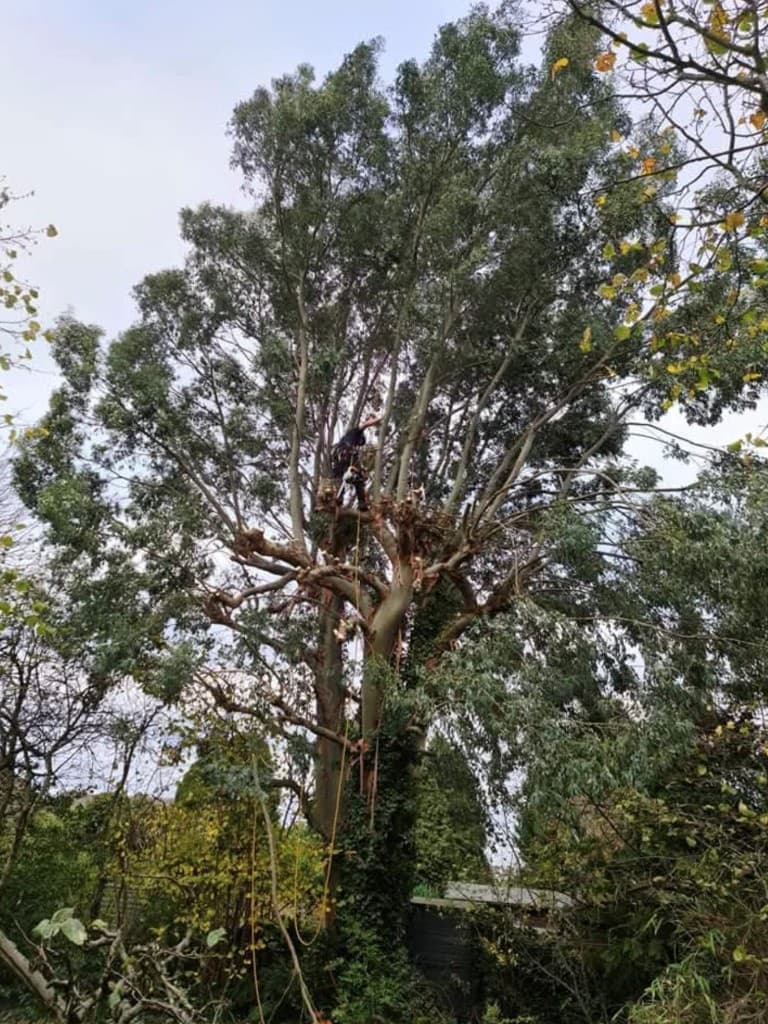
Very large eucalyptus tree, section dismantled to ground level

Interactive photo, scroll left or right to see the before and after images.

After — June 2025
Before — May 2025
Before — May 2025
After — June 2025

04 · Credentials

Insured, qualified, audited.

Every climber holds City & Guilds NPTC certification. £10m public and employer liability cover. CHAS-accredited — our health and safety processes are audited independently each year.

  • CHAS Accredited ContractorCHASAccredited Contractor
  • City & Guilds NPTC QualifiedNPTCCity & Guilds Qualified
  • IPAF — International Powered Access FederationIPAFPowered Access
  • ROLO — Register of Land-Based OperativesROLOOn-Site Safety
  • BALI — British Association of Landscape IndustriesBALILandscape Industries
  • Fully insured serviceInsuredPublic £10m / Employer £10m

05 · Frequently asked

The questions we hear most.

Every job is quoted on site — price depends on tree size, access, complexity and what's removed from the garden. We don't bill for the quote visit, and the written quote is what you pay.

Ready when you are

Got a tree that needs looking at?